
When Is the Best Time to Winterize Sprinkler Systems?
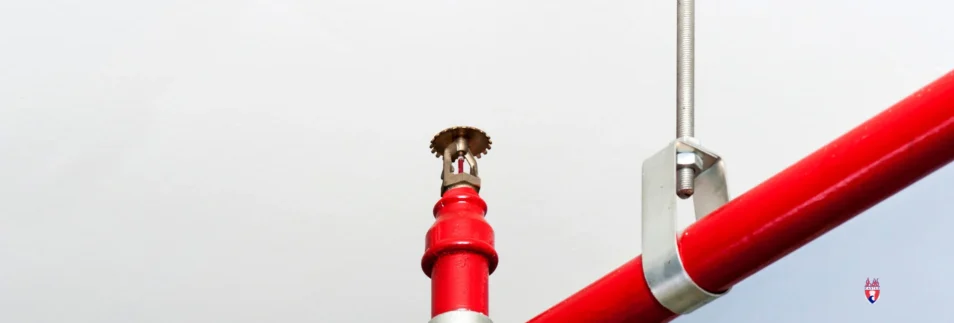
The best time to winterize sprinkler system components is before the first sustained cold spell, not after a freeze warning appears. For commercial properties in Maryland, Washington, DC, and Northern Virginia, early fall is the right time to review the system and schedule service.
Freezing water can crack piping, damage valves, and leave a fire sprinkler system unable to respond as designed. Knowing when to winterize sprinkler system piping helps property and facility managers avoid emergency repairs while keeping fire protection ready through the colder months.
When to Winterize Sprinkler System Components
Start planning in September and aim to complete seasonal service by early to mid-October, before overnight temperatures repeatedly approach 40 degrees Fahrenheit. The exact date can shift from year to year, so the forecast and conditions at the property should guide the schedule.
Do not wait for the temperature to reach 32 degrees. A National Weather Service freeze warning signals that temperatures at or below freezing are expected, which leaves little time to identify exposed piping, arrange repairs, or address a heating problem. It is safer to winterize sprinkler system equipment while the weather is still mild and service can be scheduled without urgency.
What Does Fire Sprinkler Winterization Involve?
Fire sprinkler winterization is not the same as draining and shutting down a lawn irrigation system. A fire sprinkler is a life safety system that must remain available. The goal when we winterize sprinkler system equipment is to find and address freeze risks while preserving the protection the building requires.
Seasonal service may include checking pipes near exterior walls, reviewing temperatures in valve rooms, inspecting dry or pre-action system components, opening low-point drains where applicable, and examining antifreeze loops. The right work depends on the system type, building layout, and equipment condition.
Wet pipe systems contain water and need reliable heat in protected spaces. NFPA guidance identifies 40 degrees Fahrenheit as an important minimum threshold for areas with water-filled sprinkler piping. Dry pipe systems use pressurized air or nitrogen in the piping, but condensation can still collect at low points and freeze. A dry system is not automatically free from winter risk.
Why You Should Winterize Sprinkler System Equipment Early
Water expands as it freezes. Inside sprinkler piping or a valve assembly, that pressure can split components and create leaks that may not become obvious until temperatures rise. The result can include water damage, an impaired system, an urgent service call, and disruption for building occupants.
When you winterize sprinkler system areas before cold weather settles in, there is time to correct insulation gaps, restore heat, drain trapped water, or repair worn equipment. Early service also gives property managers a clearer record of seasonal maintenance across one building or an entire portfolio.
Planning ahead is especially useful for facilities with unheated spaces or a history of freeze issues. Repeated trouble in one area can point to a larger condition, such as poor drainage, failed heat, an open exterior door, or pipe placement near an exposed wall. Addressing the source is more useful than responding to the same frozen component each winter.
Signs Your Property Needs Faster Action
Do not wait for a planned appointment if a valve room loses heat, a window or exterior door will not close, or a sprinkler line is exposed during construction. Cold air can reach piping quickly in attics, stairwells, warehouses, loading docks, and parking structures.
Visible condensation, ice, reduced air pressure on a dry system, or an unexplained supervisory signal also calls for prompt professional attention. Staff should follow the building’s impairment procedure and contact a fire protection provider instead of attempting to isolate or drain unfamiliar equipment.
Why Professional Winterization Is Important
A qualified fire protection technician can winterize sprinkler system components based on the installed design and the conditions found on site. This avoids guesswork around valves, air pressure, antifreeze solutions, alarms, and required documentation.
Improper draining can leave water trapped in low sections. Closing the wrong valve can also impair protection for part of the building. Because system types differ, a checklist meant for one property may not apply to another.
Waiting to winterize sprinkler system equipment until a hard freeze can turn preventive service into an emergency. An early inspection gives the team time to find vulnerable areas and coordinate any building repairs before colder weather arrives.
Schedule Winter Service With Castle Sprinkler and Alarm
Castle Sprinkler and Alarm supports commercial property owners, facility managers, and contractors across Maryland, Washington, DC, and Northern Virginia. Our team can review your fire sprinkler system, identify seasonal concerns, and recommend service based on the property and system type.
To winterize sprinkler system equipment before freezing weather arrives, contact Castle Sprinkler and Alarm to schedule service. Early planning can reduce the risk of freeze damage and help keep your property prepared throughout winter.
Frequently Asked Questions
When should I winterize sprinkler system components?
Plan service in early fall and complete it before overnight temperatures repeatedly approach 40 degrees Fahrenheit. The property’s location, exposed areas, heating, and system type may call for an earlier visit.
Do wet and dry fire sprinkler systems both need winter preparation?
Yes. Wet systems need protection from freezing temperatures, while dry systems can collect condensation at low points. Both require seasonal inspection and the correct maintenance for their design.
Can maintenance staff winterize sprinkler system equipment?
Building staff can monitor room temperatures, doors, windows, and heating equipment. Work involving valves, drains, air pressure, antifreeze, or system impairment should be handled by a qualified fire protection professional.
What happens if sprinkler piping freezes?
Ice can crack pipes, valves, fittings, or other components. The damage may cause leaks, water damage, and reduced fire protection, so suspected freezing needs prompt professional service.

Jason Martin is an expert in commercial alarm and fire protection services, with more than 15 years of experience. He works at Castle Sprinkler and Alarm, a leading company in the sector.